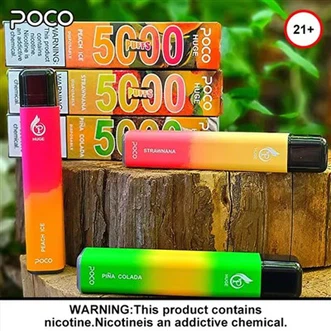
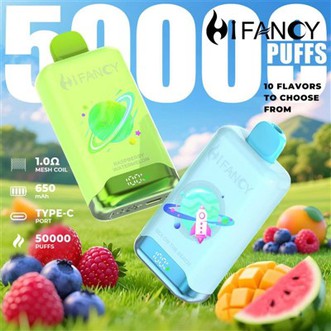
China's vaping industry is bracing for a seismic shift as the government announces the cancellation of its 13% value-added tax (VAT) export rebate policy, effective April 1, 2026. The move, outlined in the Ministry of Finance and State Taxation Administration's Announcement No. 2 of 2026, targets disposable vapes, pods, e-liquids, and related devices-core products driving global demand. For an industry that has long relied on this fiscal support, the change signals the end of a lucrative era and heralds a new phase of cost pressures, competition, and strategic adaptation.
Policy Details: Which Products Are Affected?
The rebate cancellation applies to two key commodity codes:
2404120000: Covers "nicotine-containing, non-combustible inhalation products without tobacco or reconstituted tobacco," including disposable vapes, pods, and e-liquids.
8543400090: Includes "other electronic smoking devices and similar personal vaporizers," such as vape pens, open-system devices, and atomizers.
Together, these categories account for the majority of China's vape exports, with disposable vapes leading the charge due to their convenience and affordability in markets like Europe, North America, and Southeast Asia.
Cost Shock: $1.4B in Annual Rebates Vanish
For years, the 13% VAT rebate acted as a critical buffer for exporters, reducing production costs and boosting profit margins. Industry estimates suggest China's annual vape export rebates totaled approximately 10 billion yuan ($1.4 billion). With the policy's termination, exporters will face a direct 13% cost increase per shipment.
This shift creates a painful dilemma: Raise prices to offset costs and risk losing market share to competitors (especially in price-sensitive regions), or absorb the hike and erode already thin margins. Small and medium-sized enterprises (SMEs) with low-profit models-often reliant on OEM/ODM contracts-are particularly vulnerable. As one Shenzhen-based factory owner noted, "Our gross margin is just 15%; losing the rebate means we're barely breaking even."
Industry Impact: Consolidation and Survival of the Fittest
The policy is expected to accelerate industry consolidation. Low-margin players lacking R&D capabilities, brand equity, or financial resilience may struggle to compete. Conversely, larger firms with diversified portfolios, strong compliance frameworks, and cash reserves are better positioned to adapt.
Key survival strategies emerging include:
Global Supply Chain Diversification: Expanding assembly operations to Southeast Asia (e.g., Indonesia, Malaysia) to mitigate tariff and cost pressures.
Premiumization: Investing in tech upgrades (e.g., ceramic coils, smart temperature control) and branded products to justify higher prices.
Compliance Leadership: Strengthening adherence to regulations like the EU's TPD and FDA's PMTA to secure market access.
China's Competitive Edge Remains Intact
Despite short-term challenges, China's dominance in vape manufacturing is unlikely to wane. The country boasts a mature supply chain-from batteries and chips to packaging-accounting for over 70% of global vape production. Rapid prototyping capabilities (3x faster than Western counterparts) and a deep talent pool of engineers further solidify its edge.
Industry observers predict a future model of "Chinese core manufacturing + regional assembly," where innovation and quality control stay rooted in China while labor-intensive assembly shifts overseas.
Looking Ahead
The end of the 13% rebate marks a turning point for China's vape sector. While rising costs will strain weaker players, they also push the industry toward higher-value innovation and sustainable growth. For businesses willing to adapt-whether through globalization, tech investment, or branding-the road ahead remains navigable.
As the dust settles, one thing is clear: The golden age of easy profits is over. In its place, a more competitive, resilient industry is taking shape-one built on strength, not subsidies.